Where the Kids Roam

Africa

Be inspired
Tsavo West Kenya

Man Eaters Lodge, Tsavo West, Kenya

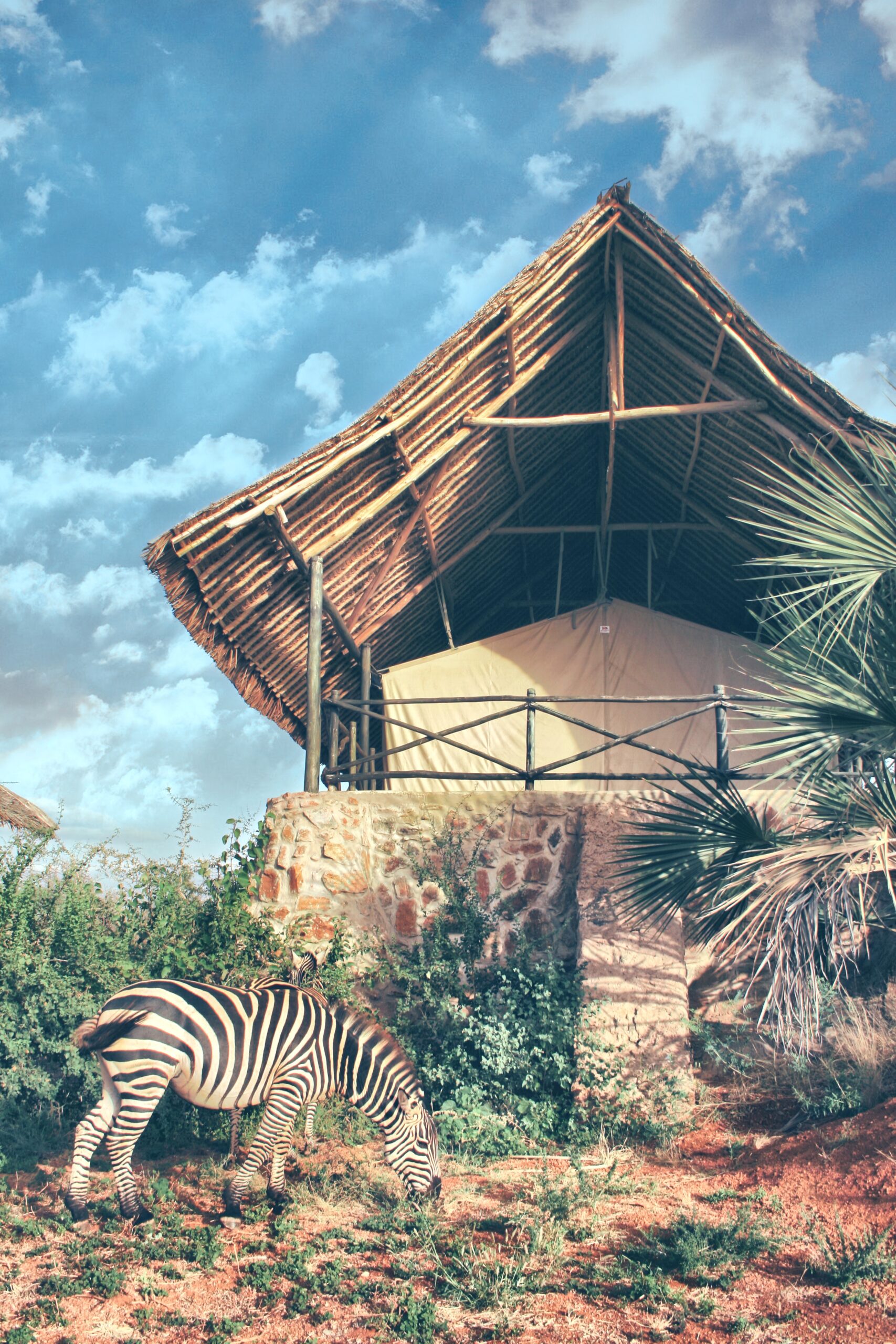
Man Eaters Lodge, Tsavo West, Kenya Safariing (this is a real word by the way) can get exhausting. It’s good to know that at the end of the day you can rest and relaxation at a decent lodge. One of the lodges we chose on a particular safari was the Man Eaters Lodge, a luxury tented camp nestled on the banks of the Tsavo River in the middle of Tsavo National Park. How the Lodge Got Its Name The lodge is called “Man Eaters” because it’s located near one of the attack sites of the famous man-eating lions of Tsavo. The Tsavo Man-Eaters were a pair of notorious, man-eating, maneless Tsavo lions (named “the ghost” and “the darkness” respectively) responsible for the deaths of a number of construction workers on the Kenya-Uganda Railway from March 1898 through December of that same year. These story of these deaths became a book, which in turn became a movie starring Michael Douglas and Val Kilmer. The East Africa Railroad company estimated that the lions ate 28 men. The author of the 1907 book, British Army Colonel John Henry Patterson, estimated that the lions ate 135 men. However, in 2009, a team of biologists performed a chemical analysis on hair and skin samples from the stuffed and mounted lions, concluding that the lions actually ate 35 men. Lions ate approximately zero people during the time we stayed at the lodge. The Lodge Itself Way better than the horrible tents we were in other nights, but not the poshest place ever. Still, I consider it luxe for the mere fact they had clean sheets, soft beds, a pool, electricity (most of the time), and decent food in the middle of nowhere. The lodge consists of 30 luxury tents – each with a view of the Tsavo River. Lodge Activities You can sleep, read, or look at animals. And, after a day on safari, what more do you want to do than look at more animals? The Conclusion If you go to Tsavo West, which, in my estimation, is one of the best parks in Africa, you should definitely stay here. I don’t mean to downplay the awesome of this lodge (which, I fear my sarcasm has done). There aren’t many places to stay in Tsavo, and, based on my research and experience, this is THE best one. It’s relaxing, clean, inexpensive (~$150/night), and right in the middle of the park not far off the main highway.
Read More »
Amboseli Elephants

Amboseli National Park, Kenya

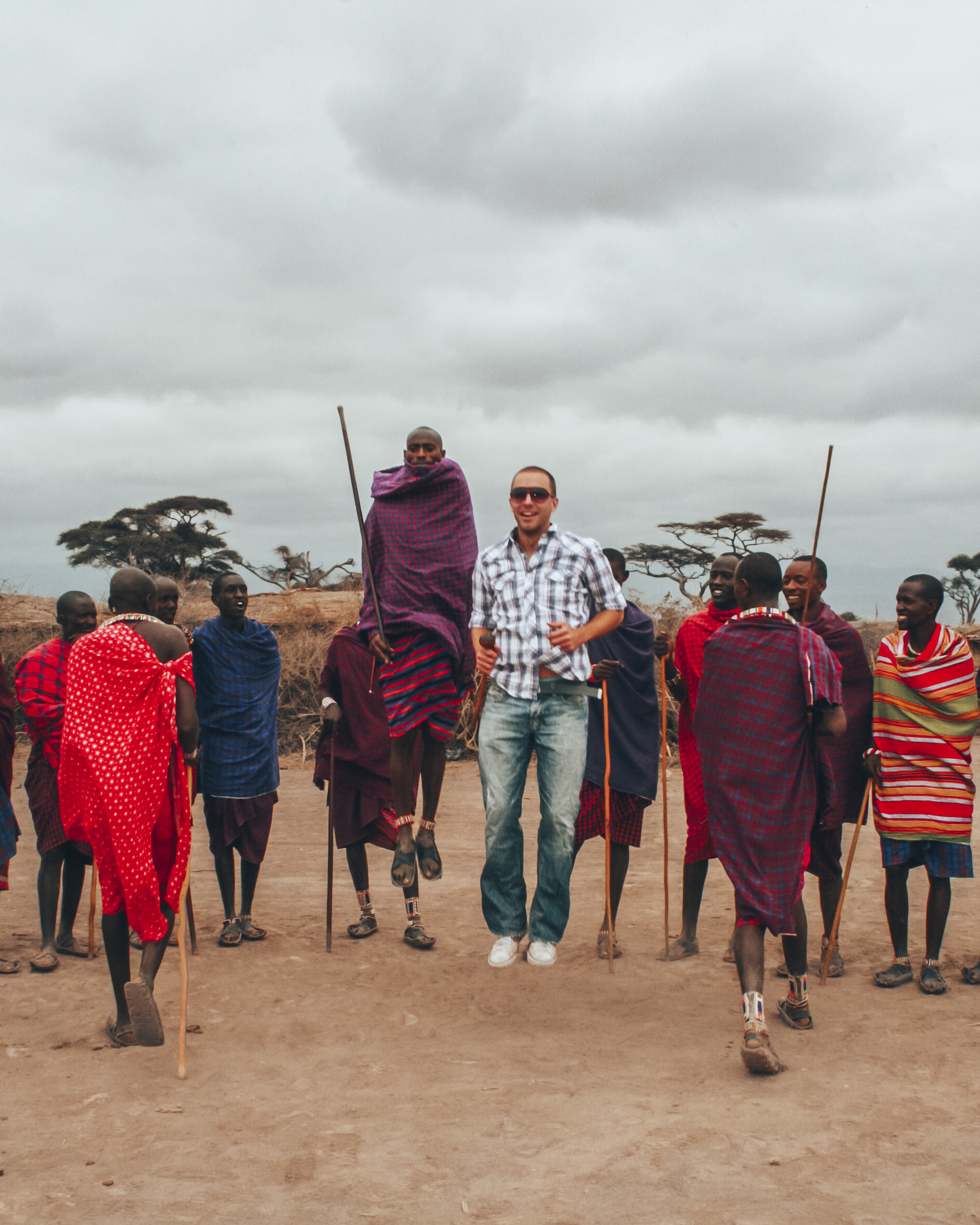
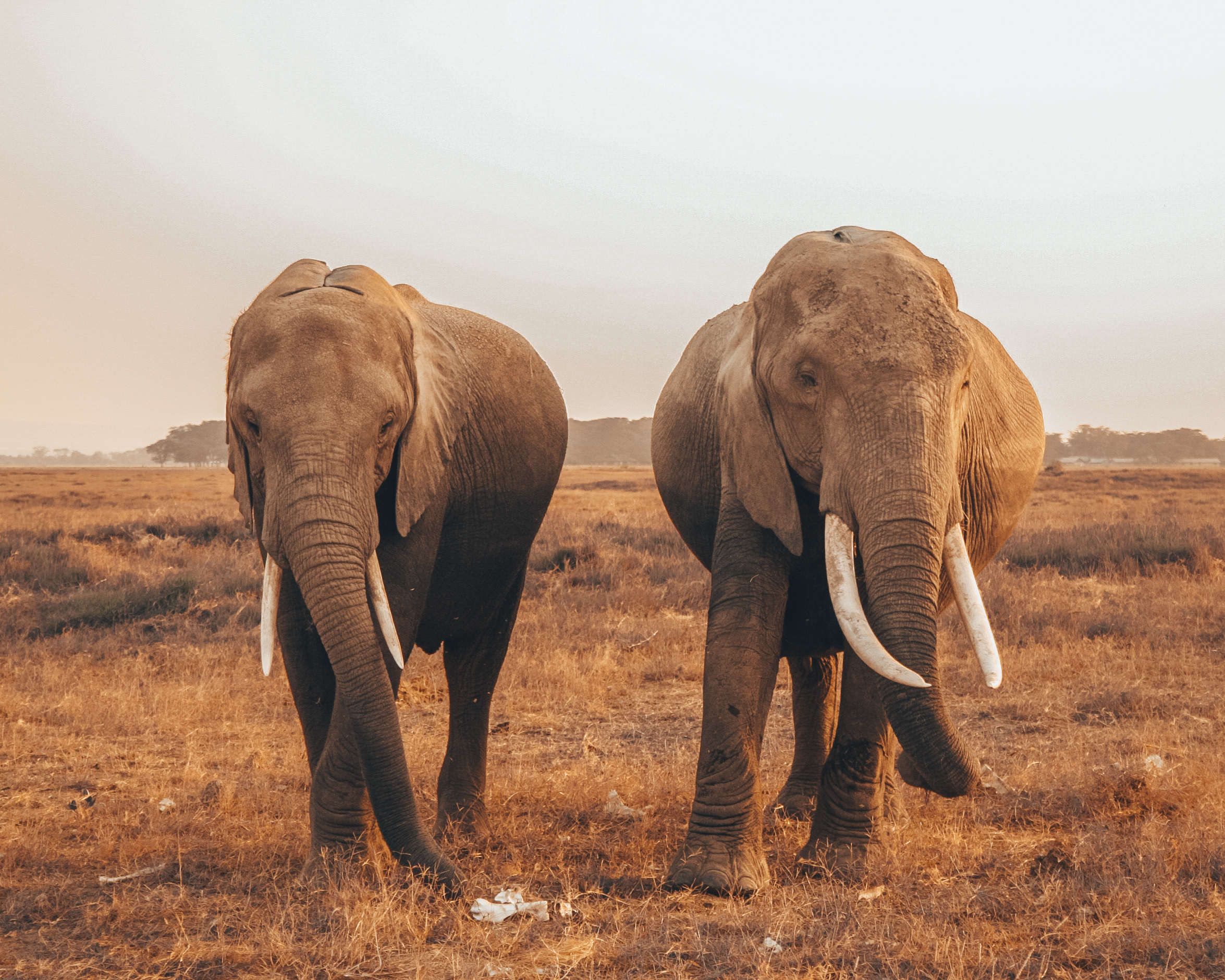
Amboseli National Park If you go on an African safari, you will see many wonderful parks. This is an overview of just one of those parks. What is Amboseli and Why Go There? Amboseli National Park is a 151 square mile reserve in Kajiado County, Kenya. It is the second-most popular park in Kenya (behind Maasai Mara). The park boasts one of the best wildlife-viewing experiences in the world, with approximately 400 species of birds  and 47 types of raptors. But the real reasons to stop here are the elephants – the park is famous for being the best place in Africa to get close to free-ranging elephants. Where to Stay Invariably, your safari operator or travel agent will determine this. But it doesn’t hurt to know your options. We stayed at the Kibo Safari Camp (Ranked #2 of 19 in Specialty Lodging in Amboseli Eco-system by TripAdvisor) near the park’s entrance. For just under $200/night, you’ll get a “glamping”-style tent, a warm shower, and a pool, all set in front of the mount Kilimanjaro backdrop. They call this lion-watering hole a pool. Nighttime is when the animals attack you on your way to your tent. The lodge has beer. I like beer. Therefore, you will find me in the lodge. The Elephants African elephants are a sight to behold. Far more dangerous than asian elephants, these beasts of the savannah are incredible from a distance, unbelievable up close. Elephant connoisseurs come from all over to Amboseli, a place with little vegetation due to long dry months, and therefore little coverage for the elephants. You’ll see them roaming in wide-open spaces – all with Mount Kilimanjaro (the highest free-standing mountain in the world) as a backdrop. Amboseli boasts over 900 free-ranging elephants. Traffic Jam I refuse to google what a bunch of elephants are called. Is it troop? There are elephants somewhere in this picture Maasai Village An amazing bonus in Amboseli is the ability to visit a Maasai village. Amboseli was actually set aside as the “Southern Reserve” for the Maasai in 1906, but reverted to a game reserve in 1948. What to tell you about the Maasai that you don’t already know? Well, you know they jump high. The myth that white men can’t jump = shattered. You also know they’re warriors who occasionally kill lions and live primarily off of their cattle’s blood and milk. But, did you know: Boys between 12 and 25 who have reached puberty will eventually become junior warriors, which is great. Except that part of the initiation involves a circumcision ceremony, performed without anesthetic. The elders perform the ceremony with a sharpened knife and cattle hide bandages. The boys must endure the ceremony in silence, lest they bring dishonor to their family; Young women undergo circumcision (excision; emorata) as well, and are then ushered into an arranged marriage. Women who aren’t circumcised are mostly considered not marriageable; Warriors are not allowed to have sexual relations with circumcised women, though they may have girlfriends who are uncircumcised girls; The Maasai are traditionally polygynous; Conversely, polyandry is also practiced. A woman sorta marries not just her husband, but an entire age group. Men are expected to give up their bed to a visiting age-mate guest. And then the woman decides (strictly on her own) if she will join the visiting male. Any child as a result of the visit is the husband’s child; and They pull out baby canine teeth of the children, as those teeth are thought to bring sickness.   Ok, so, um…some pictures now. Eager students ready to learn about female circumcision. Kidding. Maasai warrior My other, other wife I’m the one with sunglasses on

Read More »

What I Pack for Adventures

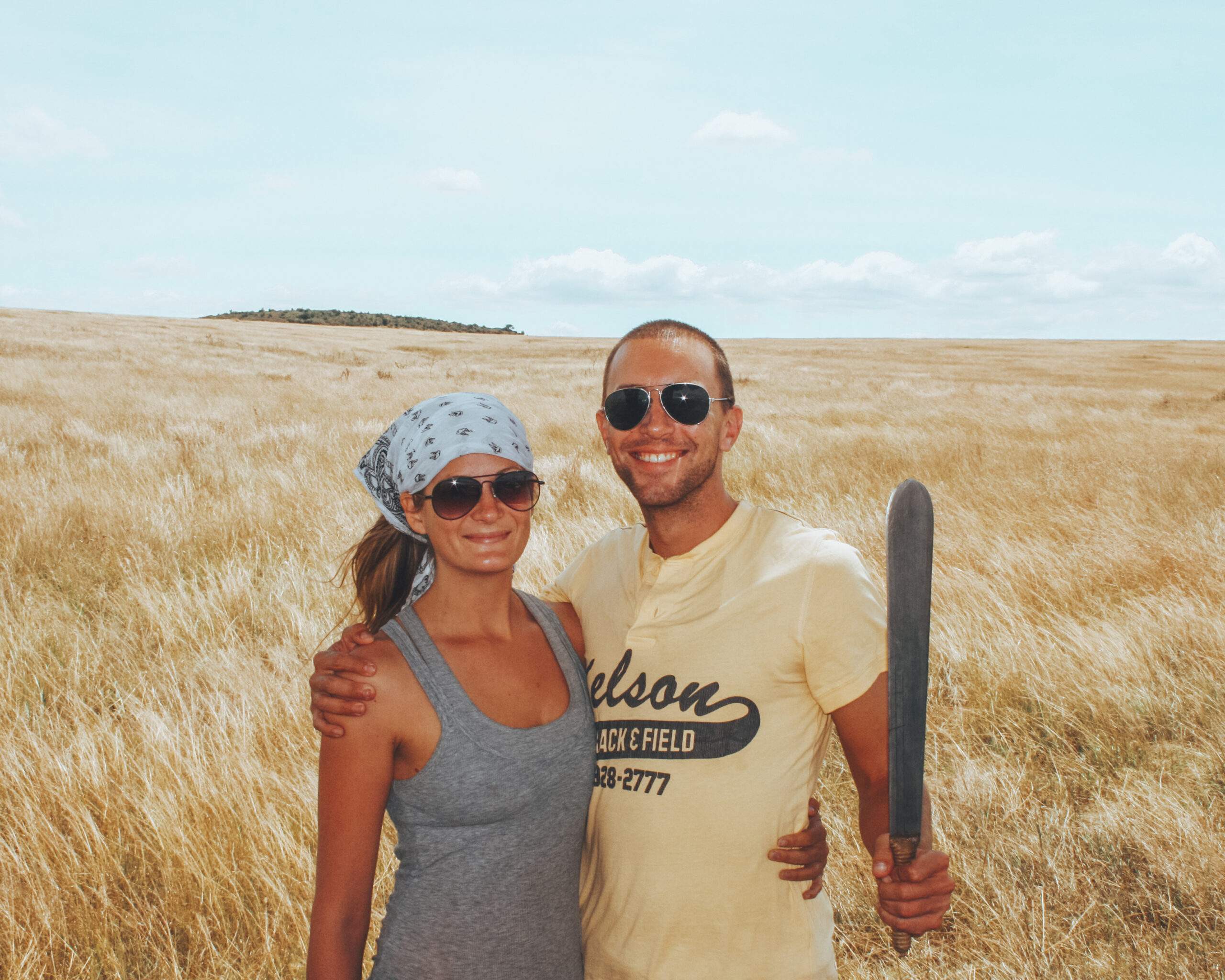
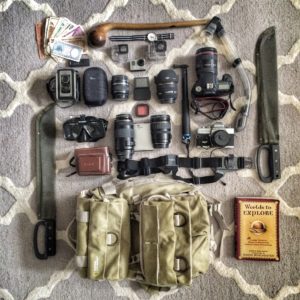
What I Pack for Adventures Everyone asks me what I take with me on my glorious adventures. Ok, sorry, no one asks me what I take on my touristy trips where I pretend to be some crazy explorer. But just in case people ever DO ask me what I take with me, here is a list. 1. Various currency from multiple countries. Important because you never really do know where the airplane will drop you off (unless you read your ticket and/or signs). Crucial in those moments when only Egyptian currency can be used to pay off the Nigerian man shaking you down in Guatemala. 2. Maasai lion-killing club (called a “rungu”). Because lions are dangerous. Duh. 3. Dirty GoPro Hero4 case. Used to keep most shots that I take with my GoPro sufficiently cloudy or blurry. 4. GoPro Hero4. Used to take wide angle photos that I say I’ll crop and never do. Also used to take long underwater videos of virtually nothing that take up lots of memory space on my desktop computer. 5. Gant watch with battery that hasn’t worked since 2013. Important in case I need to go out to a fancy dinner. Whenever anyone asks for the time I pull out my cell phone and tell them the battery on my watch just died that day. 6. Perfectly clean GoPro Hero4 case that I’ve never used. 7. Sigma 50mm lens for Canon. A really good lens that I can’t recommend enough. It creates an impressive bokeh effect and, more importantly, allows me to sound pretentious when I tell people it creates an impressive bokeh affect. 8. GoPro pole that broke when I took it to the Caribbean. I still keep it around because if you hold it just at the right angle, the screw piece will stay in place and the camera can stay still without titling up or down. If the screw piece falls out I run the risk of losing the camera. So, uh, yeah, I still use it (carefully) in certain situations. 9. Snorkel. For breathing, obviously. Used underwater (mostly). 10. Canon 50D with a lens I paid a lot of money for but is way cheaper if you buy it now. 11. Left-hand machete. Used to clear brush (not to kill jungle attackers). 12. Nikon camera. It’s not a Canon so I refuse to use it. 13. GoPro junior chesty. Used once in Prague while attached to my two-year-old daughter to capture 45 seconds of shaky footage of people’s feet in a church in Prague. 14. Worlds to Explore. A legitimately good book that I insist on reading one day. 15. National Geographic backpack. Perhaps the greatest camera bag ever – no joke. 16. Right-hand machete. Used to kill jungle attackers (not to clear brush). 17. Old Canon camera that makes me look like a connoisseur of cameras. 18. Octomask with attachment for a GoPro. Like my GoPro pole, it broke when I took it to the Caribbean. Unlike my GoPro pole, I can no longer pretend to attach a GoPro to it. 19. Lowe carrying case for GoPro cameras. Used to keep cash and memory cards (not cameras) that I can never find because they are so well hidden in this case that I always forget I only use to hide cash and memory cards. 20. Camera used to make me look like a hipster millennial douchebag. 21. Camera remote control. Used to take photos of my entire family without having to rely on some tourist who is bound to mess it up. It’s got a sweet rapid fire button that’s important to have when I frantically and unknowingly start clicking the button while watching my cheap and lightweight tripod (in garbage now) fall over in the wind. The photo sequence of an expensive camera falling to the ground is priceless (well, like, $2000 actually). 22. Lens, macro I think. Never used. 23. Expensive viewer that attaches to a GoPro Hero4. I have used it once and was very unimpressed at the poor picture quality. I have gone back to guessing at where I’m pointing the camera and hoping I get everything and everyone into the frame. 24. Lens, telephoto I think. Never used. 25. Underwater lens for the GoPro. Was supposed to make it easier to see the blue water underneath the surface. Key words are: “supposed to.” 26. External hard drive. For the burst photos I take of nothing but don’t have the heart to erase. 27. This is a lens, of course. Is it bad I have no idea what it is or what it’s intended for?

Read More »